“Abe's Heating and cooling were professional and on time. they helped me with two time sensitive projects and did excellent work. I know who I'll be calling if I should ever need an HVAC technician.”
HVAC Pricing Guide
DENVER & SURROUNDING AREAS
Radiant floor heating cost in the Denver Metro Area typically ranges from $8 to $20 per square foot, depending on system type, installation complexity, and project scope. For most homeowners, this translates to total project costs ranging from $6,000 to $30,000 or more.
General cost ranges include:
These ranges reflect professionally designed systems installed by experienced contractors familiar with Colorado building codes, climate demands, and floor construction methods.
Always consult with an experienced contractor for an exact estimate tailored to your property’s requirements. For radiant floor installation costs in Denver, call ABE Heating and Cooling at (303) 341-5701.
Radiant floor heating systems fall into two primary categories, each with different cost structures and applications.
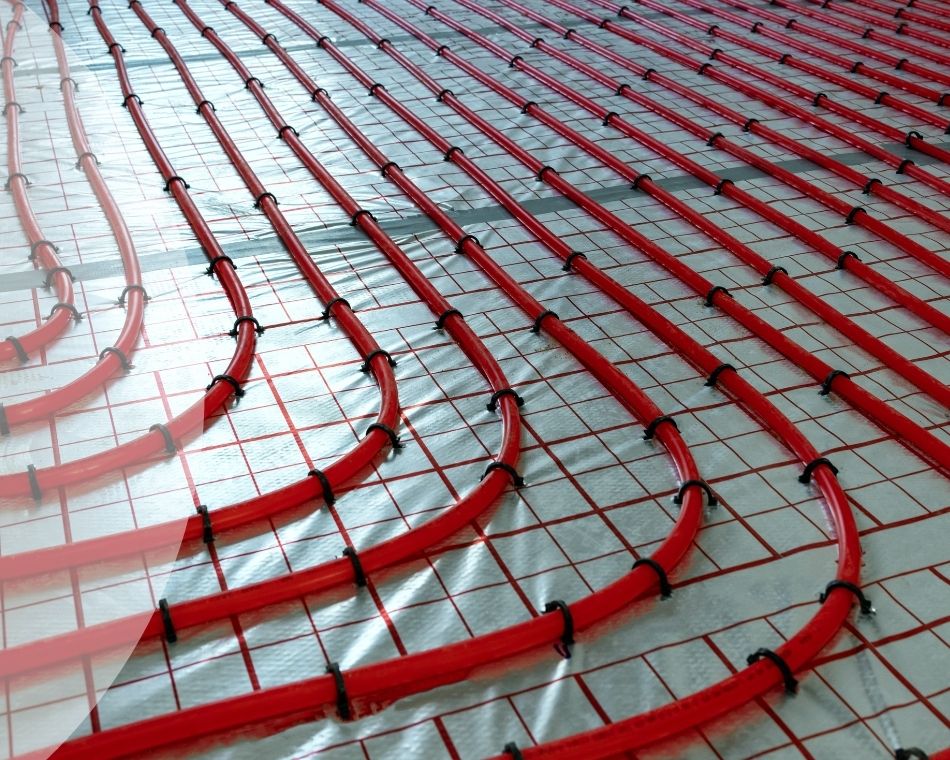
Hydronic systems circulate heated water through tubing installed beneath the floor. These systems are the most common choice for Denver-area homes due to their efficiency and scalability.
Key characteristics include:
Hydronic radiant floor heating cost typically falls at the higher end of the pricing spectrum but delivers long-term value in larger applications.
Electric radiant systems use heating cables or mats installed beneath the flooring. These systems are usually reserved for smaller areas such as bathrooms or kitchens.
Key characteristics include:
Electric radiant heating is rarely used for whole-home applications in Colorado due to operating cost considerations.
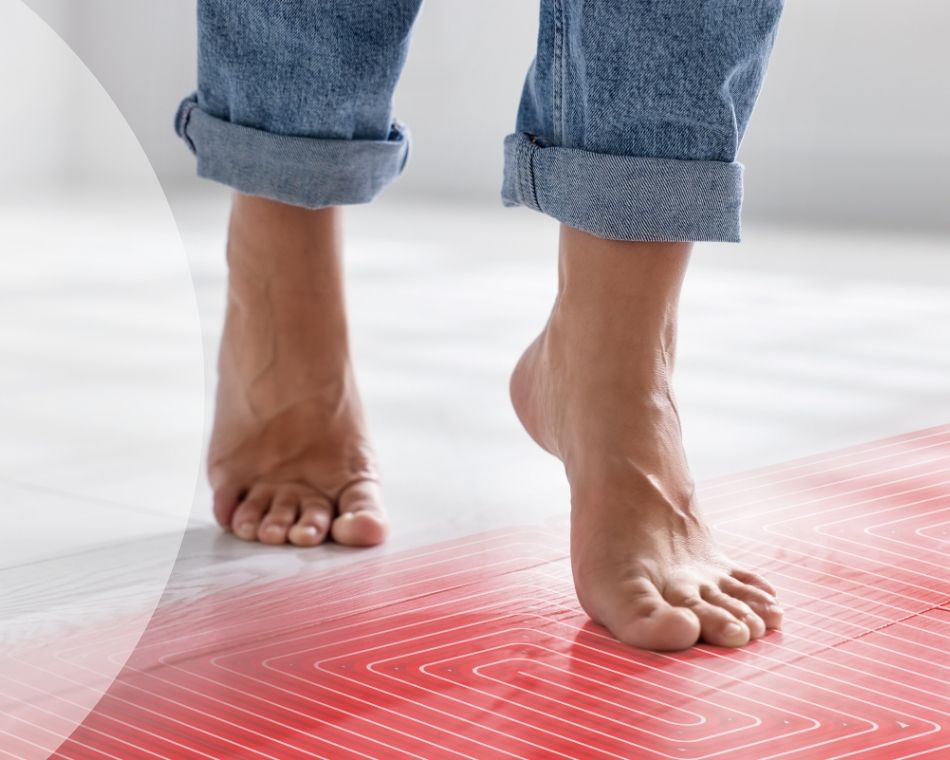
Radiant heating is commonly installed in bathrooms, kitchens, basements, whole homes, and luxury remodels, as well as in new construction projects throughout the Denver Metro Area. Radiant floor heating is a system that delivers heat directly through the floor, warming objects and occupants from the ground up rather than circulating heated air. This creates even, consistent warmth throughout the space without the temperature swings often associated with forced-air systems.
In Colorado homes, radiant floor heating is especially popular because it:
Eliminates Cold Floors During Winter Months
Provides Uniform Heat Without Drafts or Noise
Improves Comfort in Dry Winter Conditions
Works Well with Tile, Stone, Concrete, & Engineered Wood Floors
Integrates Efficiently with Boilers & Modern Hydronic Dystems
Radiant floor heating cost varies significantly from one home to another. The following factors have the greatest impact on pricing in the Denver Metro Area.
Larger projects generally have higher total costs but lower cost per square foot. Smaller installations often have higher per-square-foot costs due to setup, labor, and system components that remain constant regardless of size.
Radiant floor heating is most cost-effective in new construction or major remodels where floors are already being installed or replaced. Retrofitting radiant heat into existing homes typically costs more due to demolition, subfloor preparation, and flooring replacement.
Different flooring materials transfer heat at different rates. Tile, stone, and concrete are ideal for radiant systems, while hardwood and carpet may require additional design considerations that can affect cost.
Hydronic radiant systems require a heat source, typically a boiler. Costs vary depending on whether:
Proper system design ensures consistent temperatures and efficient operation.
Subfloor leveling, insulation, and moisture protection are critical for radiant floor performance. Homes with uneven or older subfloors may require additional preparation, increasing installation cost.
Understanding this breakdown helps homeowners evaluate proposals and compare system designs more effectively. While each project is unique, most radiant floor heating installations in the Denver area include the following cost components:
30–40%
35–45%
10–20%
5–10%
2–5%
Radiant floor heating is valued not only for comfort but also for efficiency. Because heat is delivered evenly and directly, many homeowners find they can maintain comfort at lower thermostat settings.
Key efficiency benefits include:
Operating costs depend on energy source, system design, and home insulation quality. While federal tax credits are no longer available, long-term value comes from proper design and installation rather than incentives.
Radiant floor heating is a specialized system that requires careful design, precise installation, and detailed knowledge of building science. Experience matters more with radiant systems than with many conventional heating options.
Contractors with Front Range experience understand how to:
This expertise directly impacts comfort, efficiency, and system longevity.
Contact ABE Heating and Cooling today for professional radiant floor installation in Denver. Call us at (303) 341-5701 or request a free quote online, and experience the peace of mind that comes with honest, expert service.
Most projects range from $8 to $20 per square foot, with total costs typically between $6,000 and $30,000 depending on system type and home size.
Operating costs are generally competitive with other heating systems, especially for hydronic systems paired with high-efficiency boilers.
Yes, but retrofit installations usually cost more than new construction due to floor removal and subfloor preparation.
Tile, stone, and concrete perform best, though engineered wood and some carpets can be used with proper system design.
Many Colorado homeowners find radiant heating worthwhile due to improved comfort, even heat distribution, and reduced drafts during winter months.
Yes, flexible payment options are offered to fit your budget.
Every technician is licensed, insured, and has passed thorough screening and hands-on training.

FINANCING
At ABE Heating and Cooling, we're committed to helping you get the best possible heating and cooling system by offering financing options with convenient monthly payments.


“Abe's Heating and cooling were professional and on time. they helped me with two time sensitive projects and did excellent work. I know who I'll be calling if I should ever need an HVAC technician.”
Jody Matthews
“I wish every service provider were as good, knowledgeable and reliable as Sam and ABE. He walked into a complex geothermal HVAC system that he didn't install and was quickly able to optimize its performance and reliability. He is an absolute ninja with this stuff. ”
Rich Miller
“Excellent customer service! Same day appointment and our technician Craig was able to arrive way earlier than scheduled. Very professional and courteous. Thank you ABE for your prompt response and attention.”
Kim Wasko
“Great customer service including a photo of the technician texted when he was on his way, polite, informative, explaining options and recommendations, honest, very affordable.”
Marie Myfanawy
“These guys are the best, have been using them for years. Responsive, informative, and fast. Will use them every time for heating and air conditioning issues.”
Curtis Heller


Don’t see your area on our list? Give us a call! We’re happy to serve customers near and far.
WHY CHOOSE US
Fully Qualified and Insured
At ABE Heating and Cooling, we believe in giving complete peace of mind to our clients. All our technicians are fully qualified and insured to ensure a hassle-free experience.
Free Estimates
We don’t like charging for anything but our services. That’s why all our estimates are free of charge! If you are not happy, don’t hire us.
All Technicians are In-House
We like to deliver consistent performance to our clients. That’s why we have an in-house team of technicians who deliver what you need.
Energy A+++ Rated Equipment
We always use the latest and the most energy efficient tools and technology for your home and office needs. This helps you save time and money.
On Budget and On Time
We use the most efficient processes and techniques that help us save time and money. Rest assured, we will finish the work on time and charge only what’s quoted.
Over 25 Years of Experience
Since 1997, ABE Heating and Cooling has been providing HVAC services throughout the Denver Metro Area and beyond. This makes us capable of dealing with challenges.