HVAC Pricing Guide

Average Mini Split Installation Cost
DENVER & SURROUNDING AREAS
In the Denver Metro Area and nearby Front Range communities, mini split installation cost typically ranges from $4,500 to $15,000+, depending on the number of indoor units, system capacity, and installation complexity.
A general cost range by system size looks like this:
- Single-zone mini split: $4,500–$7,500
- Two-zone mini split: $6,500–$12,000
- Three- to four-zone mini split: $9,000–$15,000+
These figures reflect professionally installed systems designed for Colorado’s climate. Lower advertised prices often exclude electrical upgrades, cold-climate equipment, or proper commissioning, which are essential for long-term performance in the Denver area.
Always consult with an experienced contractor for an exact estimate tailored to your property’s requirements. For mini split system installation costs in Denver, call ABE Heating and Cooling at (303) 341-5701.
Typical Mini Split Installation Cost Breakdown
Understanding this breakdown helps homeowners compare estimates more accurately and identify proposals that may be missing critical elements.
While every project is unique, most mini split installations in the Denver area include the following cost components:
Equipment:
50–60%
Labor & installation:
25–35%
Electrical & Infrastructure Upgrades:
5–15%
Permits & Inspections:
2–5%
Key Factors That Influence Mini Split Installation Cost
Mini split pricing varies significantly because every home and installation scenario is different. The following factors have the greatest impact on total cost.
1. Number of Indoor Units and Zones
The most significant cost driver is the number of indoor units. Each additional zone requires extra equipment, refrigerant lines, electrical work, and labor. While multi-zone systems offer excellent flexibility, they also increase installation complexity and price. With an increased number of indoor units the size of the outdoor unit also needs to increase to allow for capacity, causing the price to increase.
2. System Capacity and Performance Ratings
Higher-capacity systems designed to heat effectively during cold Colorado winters cost more upfront. Cold-climate-rated mini splits use advanced compressors and controls that maintain performance at lower outdoor temperatures.
Choosing a system that is not rated for cold climates can result in higher operating costs and reduced comfort during winter months.
3. Home Layout and Installation Complexity
Installation difficulty plays a major role in pricing. Factors that increase complexity include:
- Multi-story homes
- Long refrigerant line runs
- Limited wall or ceiling access
- Masonry or brick exteriors
- Tight mechanical spaces
Homes in older Denver neighborhoods often require more customized installation approaches than newer construction.
4. Electrical Infrastructure
Mini split systems require dedicated electrical circuits. Additional costs may apply if:
- The electrical panel needs upgrading
- New circuits must be run long distances
- Outdoor disconnects or code upgrades are required
Electrical work is a common and necessary component of professional installations in the Denver Metro Area.
5. Indoor Unit Style and Placement
Wall-mounted units are the most common and cost-effective option. Ceiling cassettes, concealed ducted units, and floor-mounted systems typically cost more due to equipment pricing and labor requirements.
Proper placement is essential for airflow, efficiency, and aesthetics, and should be determined during system design rather than after installation begins.
Why Colorado Homeowners Choose Mini Splits
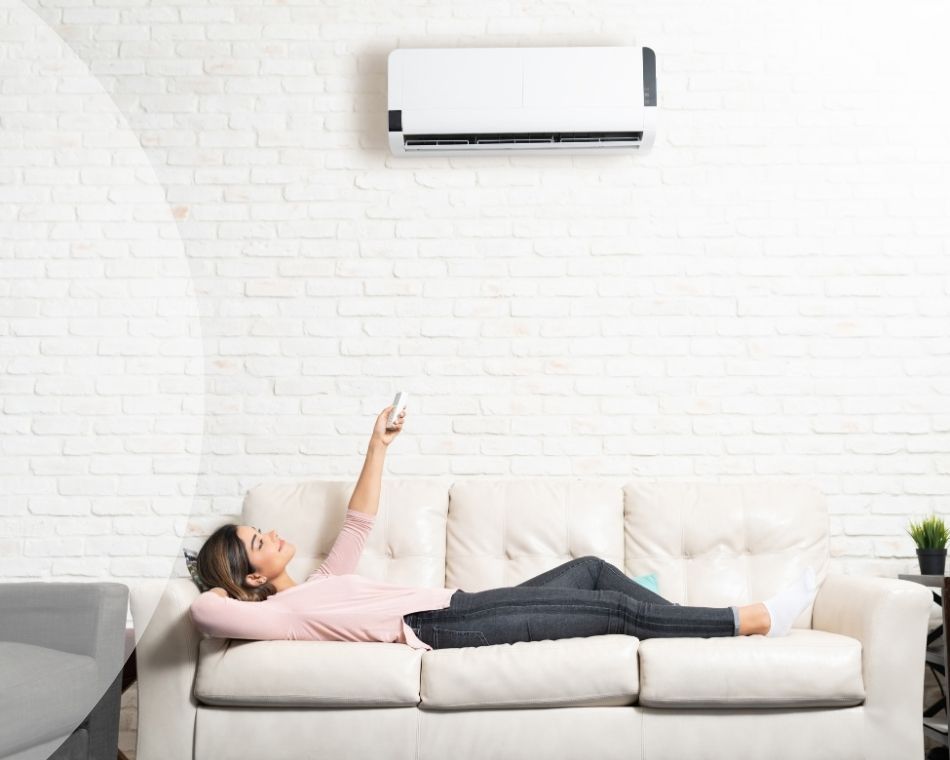
A mini split system, also known as a ductless heat pump system, consists of an outdoor condenser connected to one or more indoor air-handling units. Each indoor unit serves a specific room or zone, allowing for individualized temperature control without the need for ductwork.
In the Denver Metro Area, mini splits are commonly installed in:
- Older Homes Without Existing Ductwork
- Home Additions, Basements, & Finished Attics
- Garages & Workshops
- Homes Seeking Room-by-Room Comfort Control
- Properties Looking to Improve Efficiency Without Major Remodeling
Rebates and Incentives Available in Colorado
Although federal incentives are no longer available, Colorado homeowners may still qualify for state and utility rebates that can help offset mini split installation cost.
Xcel Energy Mini Split Rebates
Homeowners served by Xcel Energy may qualify for rebates when installing high-efficiency ductless heat pump systems.
Typical rebate ranges include:
- $1,500 to $5,000 per qualifying mini split system
- Higher incentives for cold-climate-rated equipment
- Additional benefits for replacing older electric resistance heating
Rebate amounts and eligibility requirements vary based on system efficiency and program availability.
Colorado HEAR Program for Income-Qualified Households
The Home Energy Assistance and Rebates Program provides enhanced incentives for qualifying low- and moderate-income households.
For eligible homeowners, HEAR incentives may include:
- Up to $8,000 toward cold climate heat pump or mini split installations
- Point-of-sale or reimbursement-based savings
- Approved equipment and income verification requirements
These incentives can significantly reduce upfront cost for qualifying households.
Colorado State Energy Incentives
Colorado also offers state-level energy incentives and tax benefits that may apply to qualifying mini split installations. Typical state incentives range from $1,000 to $2,000, depending on system efficiency and program guidelines.
Program availability and requirements may change annually, so homeowners should verify eligibility during the planning phase.
Why Experience Matters for Mini Split Installations in Colorado
Mini split systems require careful design to perform well in Colorado’s climate. Experience with Front Range housing styles, elevation considerations, and winter temperature swings directly affects system performance.
Contractors with local expertise understand how to:
- Size systems for cold-weather heating demand
- Select equipment rated for high-altitude operation
- Optimize indoor unit placement for comfort and aesthetics
- Ensure proper commissioning for long-term reliability
This level of experience helps prevent comfort issues, efficiency losses, and premature equipment wear.
Contact ABE Heating and Cooling today for professional mini split system installation in Denver. Call us at (303) 341-5701 or request a free quote online, and experience the peace of mind that comes with honest, expert service.
FAQs for a Mini Split Installation
How much does mini split installation cost in the Denver Metro Area?
Most installations range from $4,500 to $15,000+, depending on the number of zones, system capacity, and installation complexity.
Do mini splits work in cold Colorado winters?
Yes. Cold-climate mini split systems are designed to provide reliable heating even in subfreezing temperatures common along the Front Range.
Is a mini split cheaper than installing ductwork?
In many cases, yes. Mini splits can be more cost-effective than adding new ductwork, especially in older homes or additions.
Are rebates available for mini split systems in Colorado?
Yes. Xcel Energy rebates, the Colorado HEAR program, and state-level incentives may be available depending on eligibility and system specifications.
What affects mini split installation cost the most?
The number of indoor units, system efficiency ratings, electrical upgrades, and installation complexity have the greatest impact on cost.
Is financing available for mini split installation?
Yes, flexible payment options are offered to fit your budget.
Are your technicians certified and background checked?
Every technician is licensed, insured, and has passed thorough screening and hands-on training.