Blog
FAQ: Why Is My Smart Thermostat Not Working?
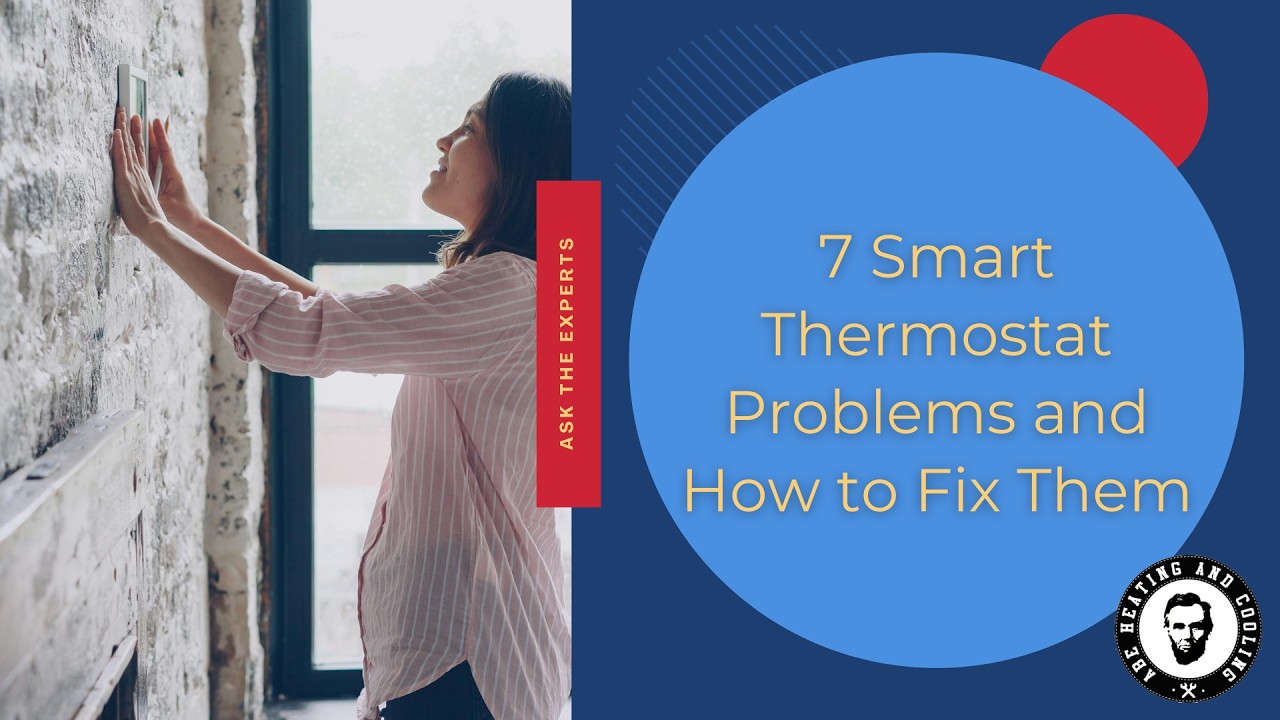
Smart thermostats have become an essential part of the modern home, helping Denver Metro Area homeowners save money, improve energy efficiency, and stay comfortable year-round. But like any technology, smart thermostat problems can happen — and when they do, they can quickly impact your comfort.
At ABE Heating and Cooling, we help homeowners troubleshoot and fix smart thermostat issues every day. Here are seven of the most common problems we see — and what you can do to resolve them.
1. Smart Thermostat Not Connecting to Wi-Fi
Smart thermostats rely on a stable Wi-Fi connection to work properly. If your thermostat keeps disconnecting or won’t connect at all, start by checking your internet connection.
Make sure your router is working and close enough to the thermostat. You can also try resetting the thermostat and reconnecting it to your network. If issues continue, signal interference or router limitations could be the cause.
2. Smart Thermostat Not Responding or Turning On
If your smart thermostat isn’t responding, power is usually the issue.
Start by replacing the batteries if your model uses them. For hardwired systems, check for a tripped breaker or loose wiring. Some systems also require a C-wire for consistent power, which can cause problems if it’s missing or improperly installed.
3. Incorrect Temperature Readings
If your thermostat is showing the wrong temperature, your HVAC system won’t run correctly.
This often comes down to placement. Thermostats installed near windows, vents, or appliances can give inaccurate readings. Moving it to a more neutral location or recalibrating the sensor can help fix the issue.
4. HVAC System Not Responding to the Thermostat
If your heating or cooling system isn’t reacting to thermostat changes, there may be a communication issue.
Check compatibility between your thermostat and HVAC system, and inspect wiring connections. If everything looks correct but the issue continues, a professional inspection may be needed.
5. Scheduling Features Not Working
Scheduling is one of the biggest benefits of a smart thermostat, but it only works if everything is set up correctly.
Make sure your thermostat’s time and date are accurate and that your system mode matches your schedule settings. In some cases, a quick firmware update can resolve glitches.
6. Thermostat Keeps Restarting
A thermostat that constantly restarts can disrupt your comfort and system performance.
This is often caused by power interruptions, wiring issues, or software bugs. Check your power source first, then update your system. If the problem continues, professional service may be required.
7. Smart Thermostat App Not Working
If you can’t control your thermostat from your phone, the issue is usually with syncing or connectivity.
Make sure your app is updated and properly connected to your thermostat. Logging out and reinstalling the app can often fix the problem. If not, there may be an account or network issue.
Conclusion
Smart thermostats are a powerful tool for improving comfort and efficiency, but occasional issues are normal. The good news is that many smart thermostat problems can be resolved with simple troubleshooting.
If you’re still experiencing issues, ABE Heating and Cooling is here to help. Our experienced technicians provide fast, reliable solutions for homeowners across the Denver Metro Area.
FAQs
How do I know if my smart thermostat is compatible with my HVAC system?
Most manufacturers offer online compatibility checkers. A professional can also evaluate your system and recommend the right thermostat.
Why won’t my smart thermostat connect to Wi-Fi?
Common causes include weak signals, outdated routers, or interference from other devices.
How often should I update my thermostat?
Many systems update automatically, but it’s a good idea to check periodically for firmware updates.
Do smart thermostats really save money?
Yes. Features like scheduling and geofencing can significantly reduce energy usage.
What if none of these fixes work?
If basic troubleshooting doesn’t solve the issue, it’s best to call a professional to diagnose the problem.
Contact us to learn more about smart thermostats and to receive a free estimate. We service homeowners and light commercial customers in the Denver Metro Area and beyond (Service Area).